Quick Start Guide
What is “night vision?”
“Night Vision” is the ability to “see in the dark…”
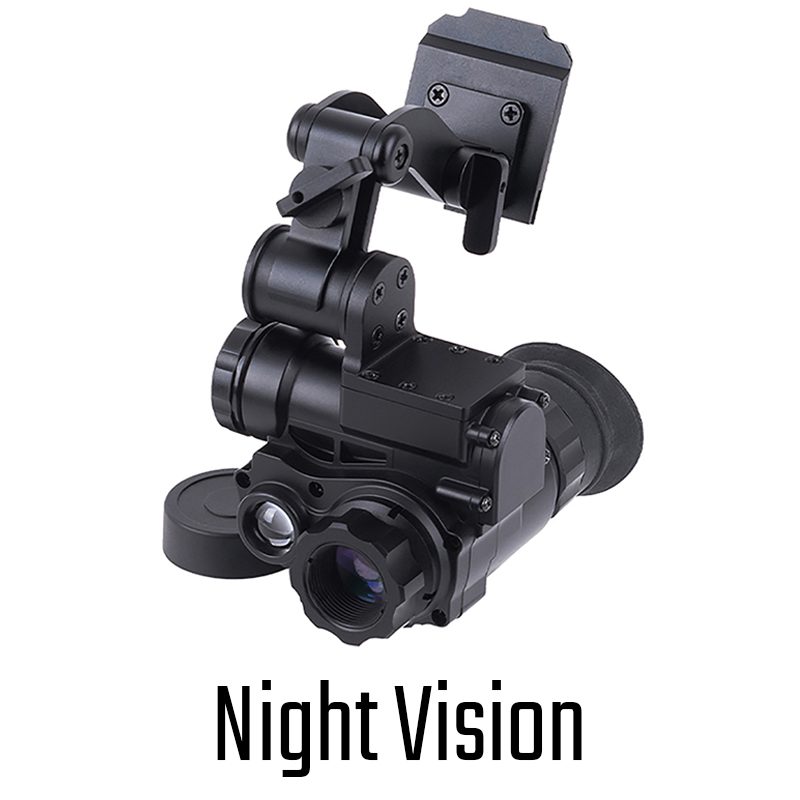
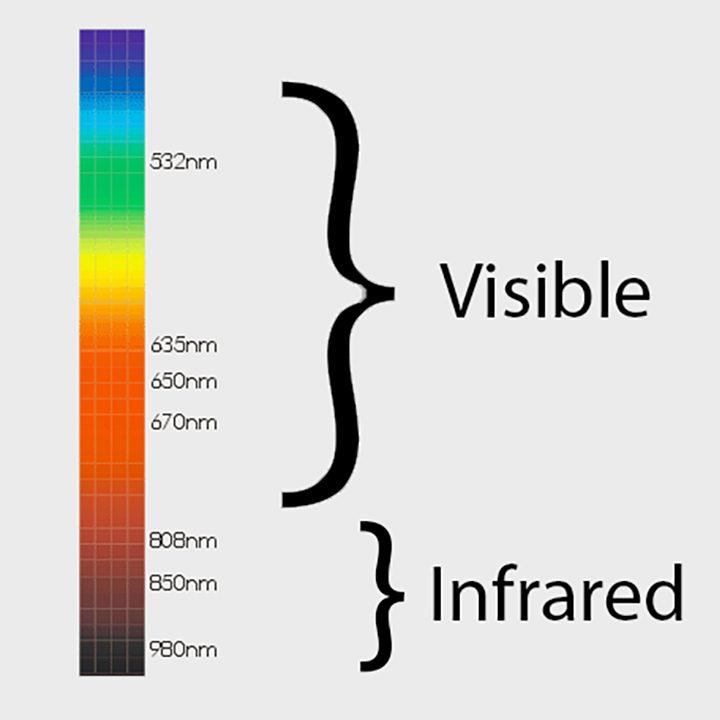
Night Vision refers specifically to devices that can see low level light, such as light waves that appear under the visible spectrum (infrared light)…
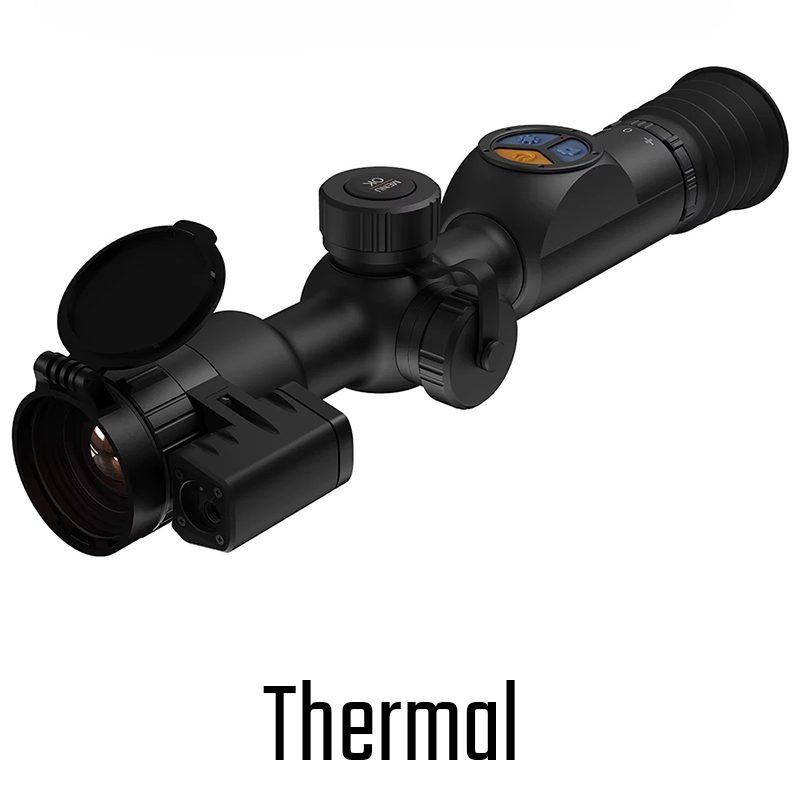
Thermal refers specifically to devices that can see differences in the temperature (infrared radiation)…
That being said, you have two completely different markets for “night vision” devices. You have specifically, “night vision” and you have, “thermal”…

“Night Vision” vs. “Thermal”
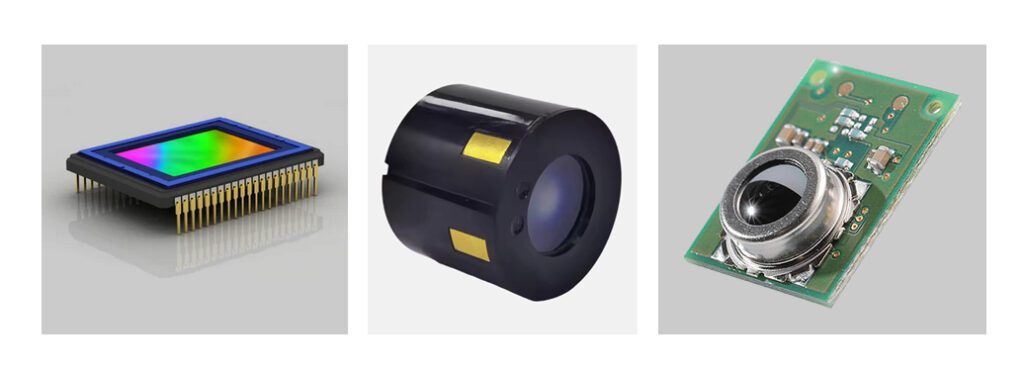
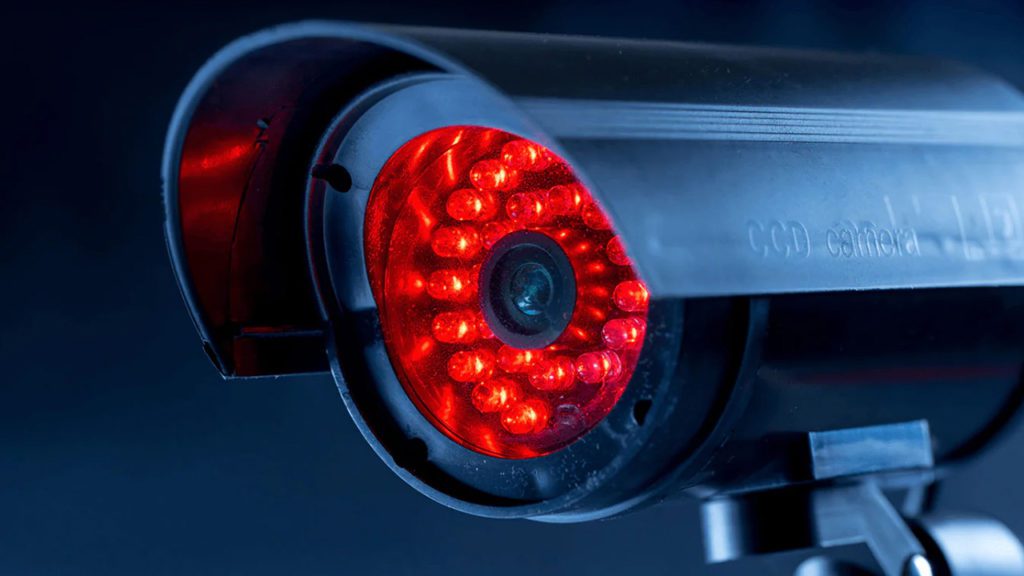
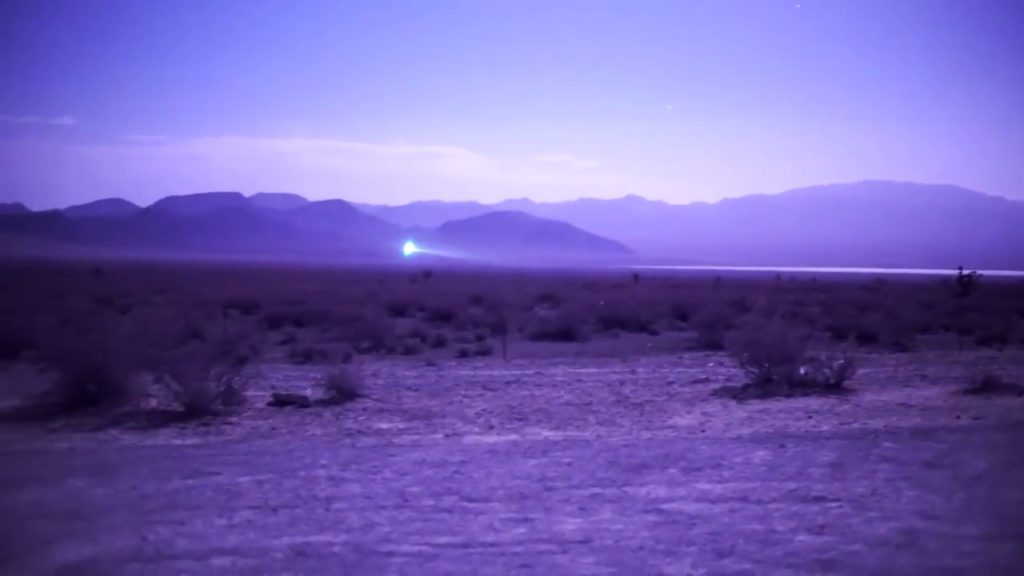
1.) Digital Night Vision – Digital means the product has a CMOS or CCD sensor that converts light waves into 1’s and 0’s. Low-end digital devices require a high powered infrared flashlight to illuminate the viewing area. This projecting infrared light cannot be seen by the naked eye, but there is a red dot at the end of the IR flashlight that is visible to the naked eye at close range. Only high-end expensive digital devices do not require any high powered IR light source.
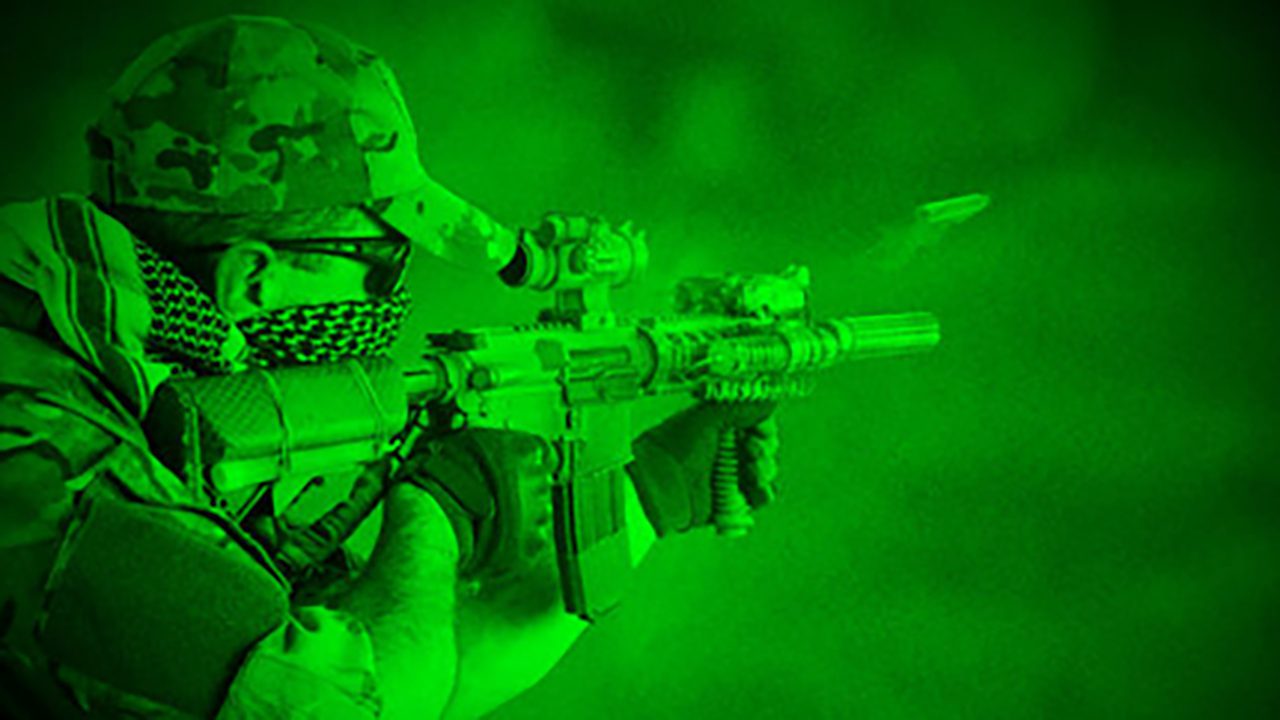
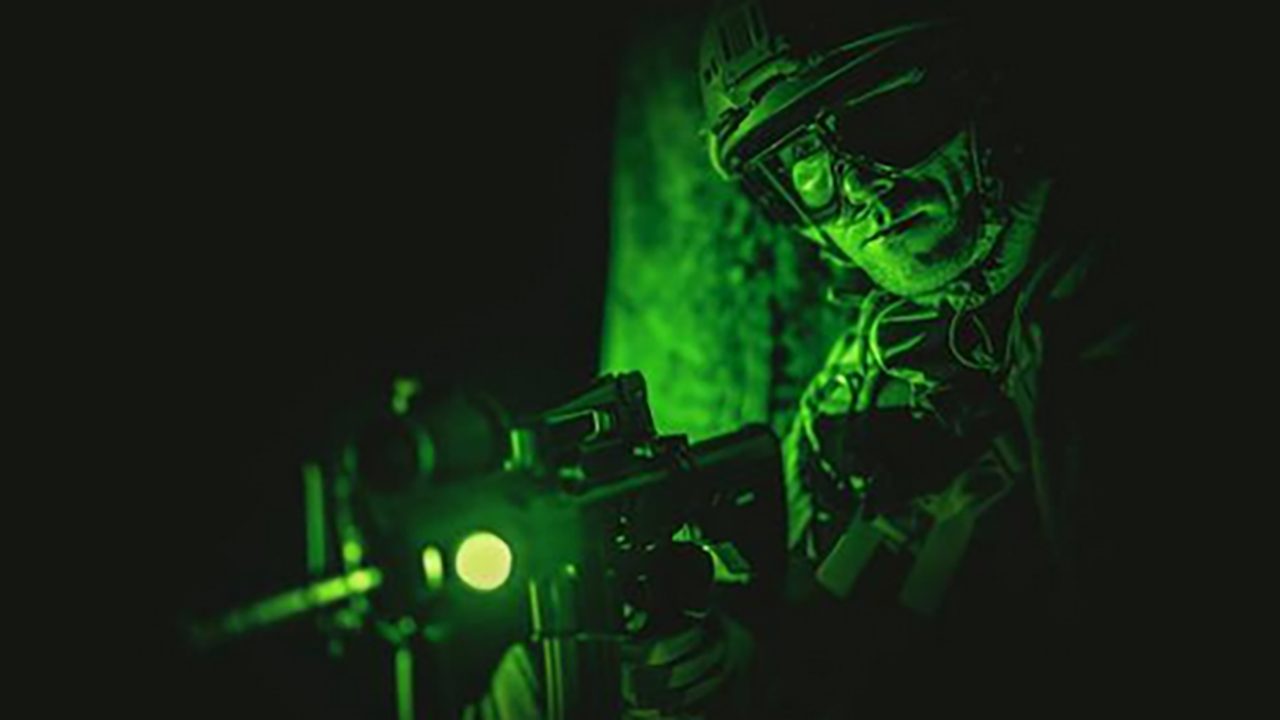
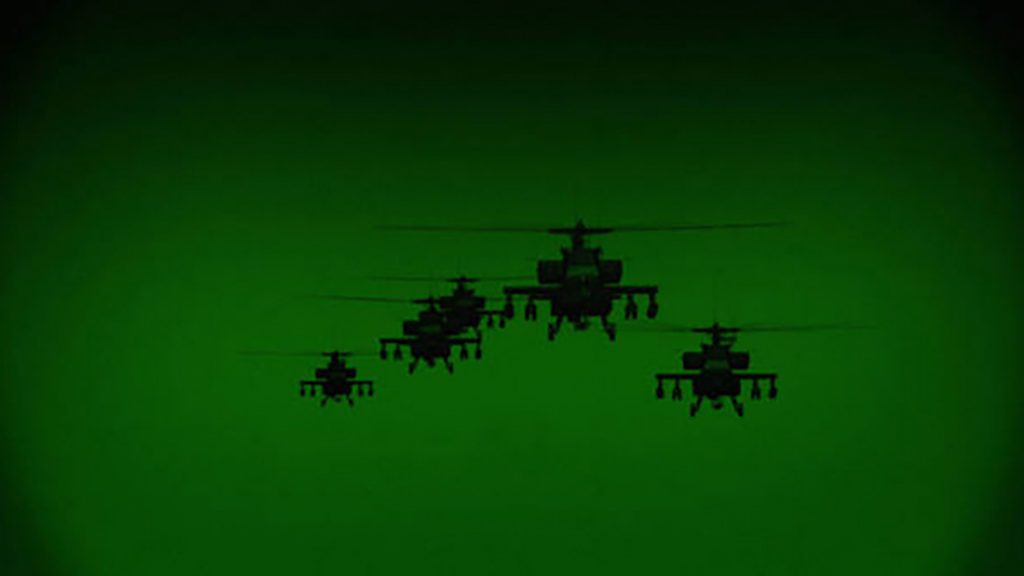
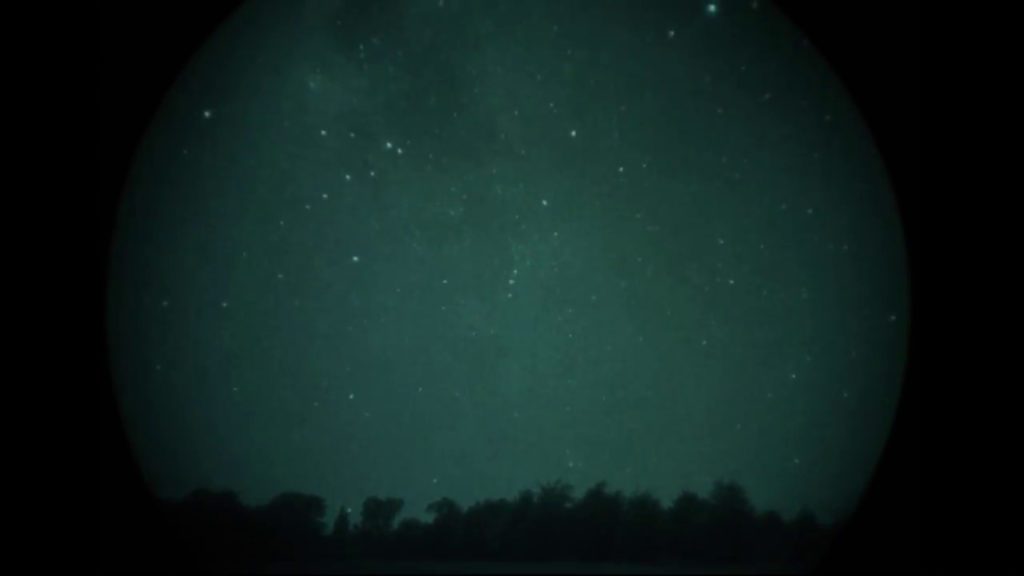
2.) Military Grade Night Vision – Military Grade means the product uses an analog (no digital sensor) light amplification device which does not use 1’s and 0’s (no microchip).These devices display the classic green or blue hues in a circular viewfinder. The Generation 1 tubes came out during the Vietnam War, and have since been evolving up to Gen 4. Light amplification tubes have the vulnerability of being damaged due to burn spots forming in the tube if the device is pointed at a bright light, such as a laser, as well as damage due to it falling and breaking the glass lenses.
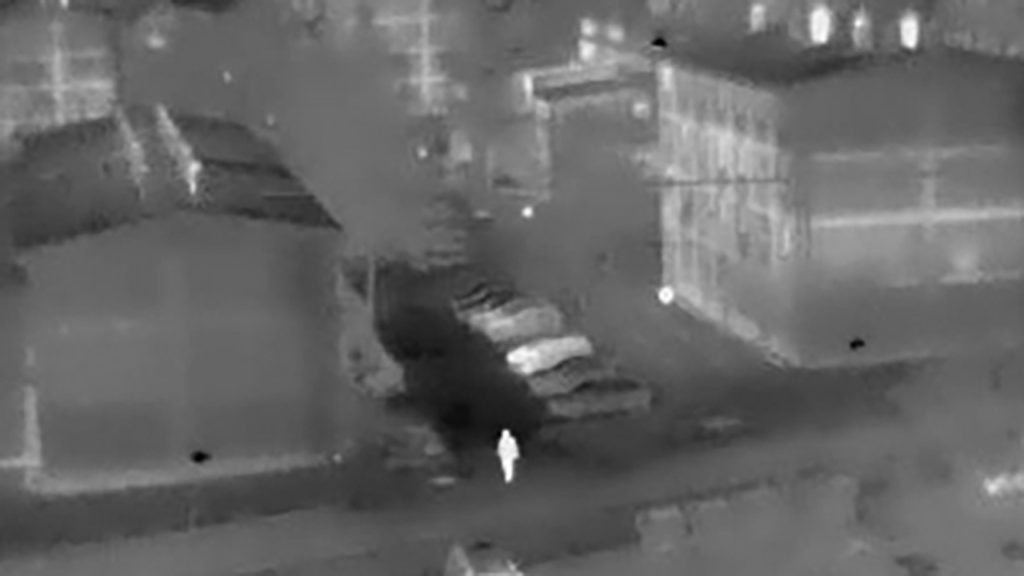
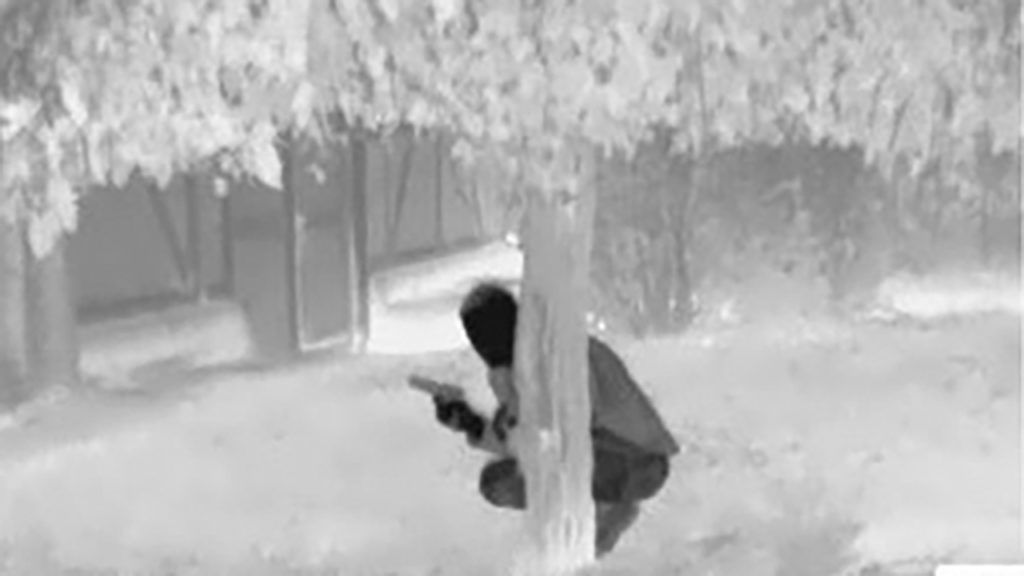
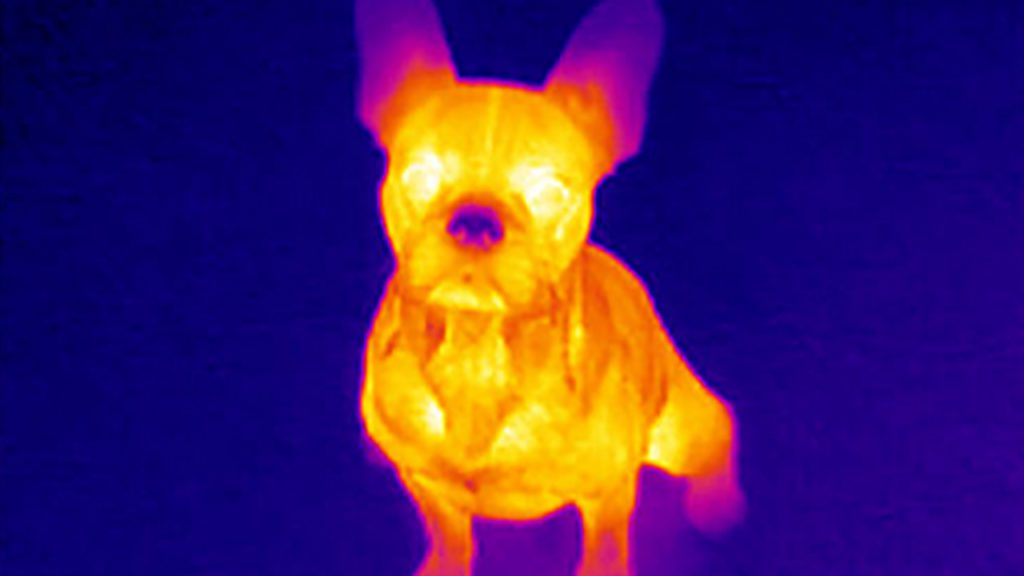
3.) Thermal Night Vision – Thermal means the product uses an infrared sensor that converts temperature differences into 1’s and 0’s. This means you can see in total darkness without the use of any type of infrared flashlight.
Page 2 of 5
What are my options?

| Digital Night Vision | Military Night Vision | Thermal | |
|---|---|---|---|
| Viewfinder shape | Rectangular or circular | Circular only | Rectangular or circular |
| Image colors | Black & White + Inverted, Full Color Spectrum + Inverted, Green + Inverted, Yellow + Inverted, Blue + Inverted | Green or Blue | White-Hot, Black-Hot, Red-Hot, Green Hot, Rainbow, Fusion, Iron-Red, Ice Fire and Glimmer |
| Cost | $120 – $35,000 | $1600 – $18,000 | $420 – $40,000 |
| Durability | Resistant to image burning, vulnerable to breaking the glass lenses | Vulnerable to image burning from lasers & bright lights, vulnerable to breaking the glass lenses | Vulnerable to high temp image burning from the sun, vulnerable to breaking glass lenses |
| IR torch required | Yes, for low budget sensors | Yes, for Gen 1 and Gen 2 | No |
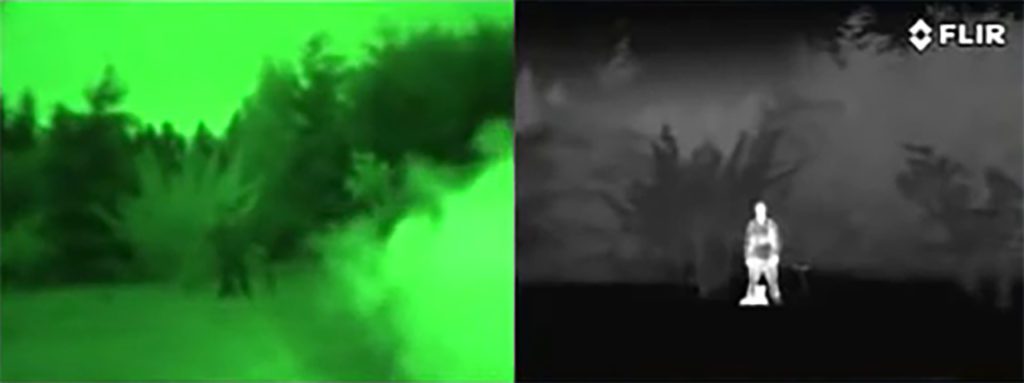
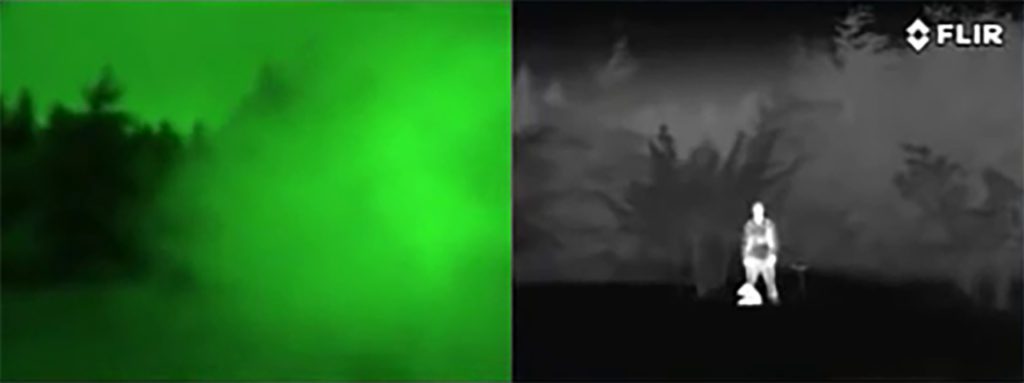
| Can see in fog & smoke | No, too much light reflection | No, too much light reflection | Yes |
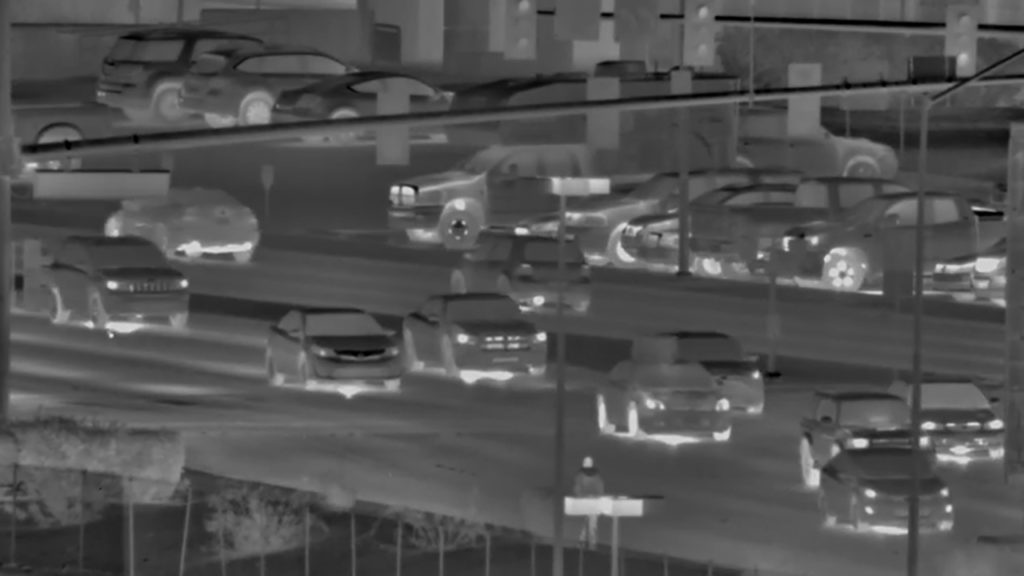
| Can see through windows | Yes | Yes | No |
| Can see stars | $300 and above | Gen 2+ and above | No |
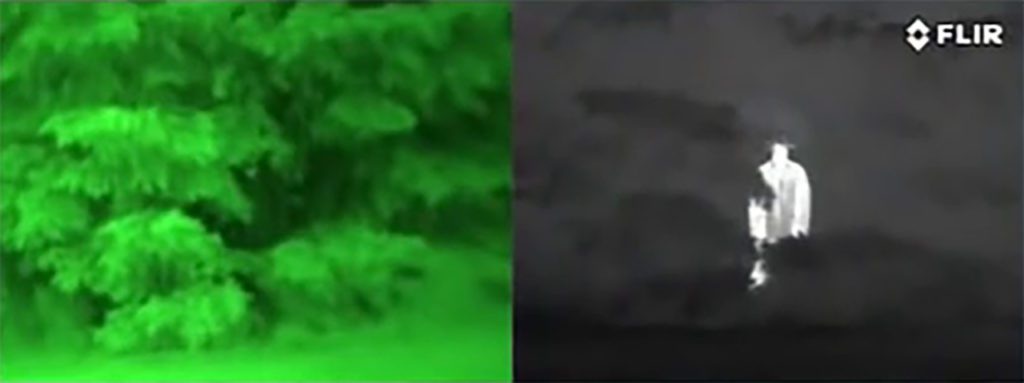
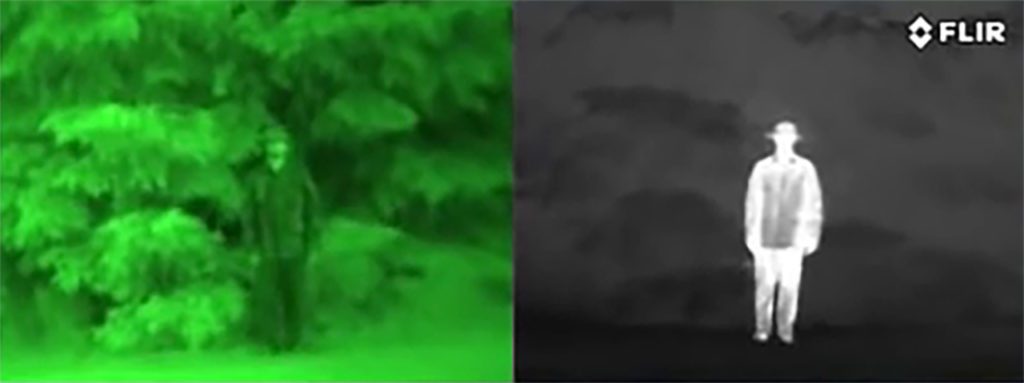
| Can see someone in heavy brush | No | No | Yes |
| Can see “orb spirits / UFOs” | Yes, with high powered IR light | Yes, with high powered IR light | Yes |
| Can see satellites from ground | Yes, $300 and above | Yes, Gen 2+ and above | No |
Digital Night Vision Examples
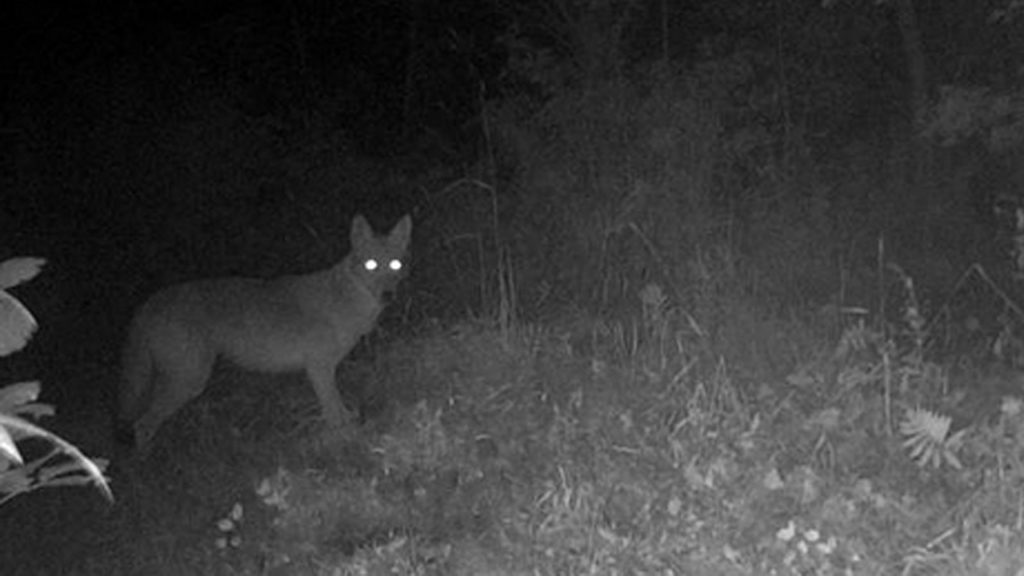
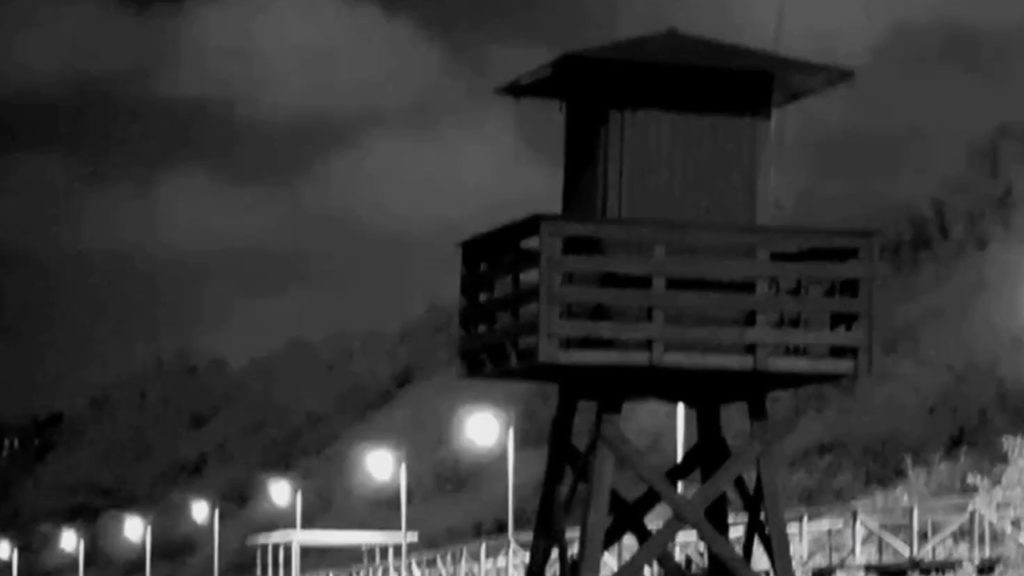
Military Grade Night Vision Examples
Thermal Examples
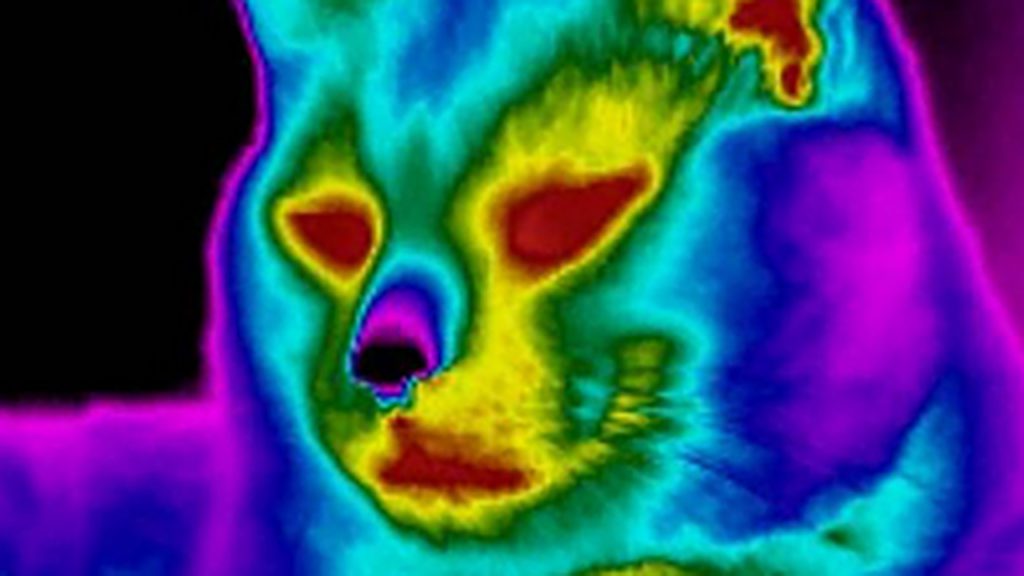
Digital Night Vision vs. Thermal Comparison

Military Grade Night Vision vs. Thermal – Brush Comparison
Military Grade Night Vision vs. Thermal – Smoke / Fog Comparison
Thermal vs. Glass Windows
Choose a category…
See what we have to offer you.